The elevator that knows your reservation
A guest steps into a hotel elevator and only the right floors light up. Behind that small moment there is a chain from identity to reservation to room to permitted floors to validity, and an elevator the hotel already owned.
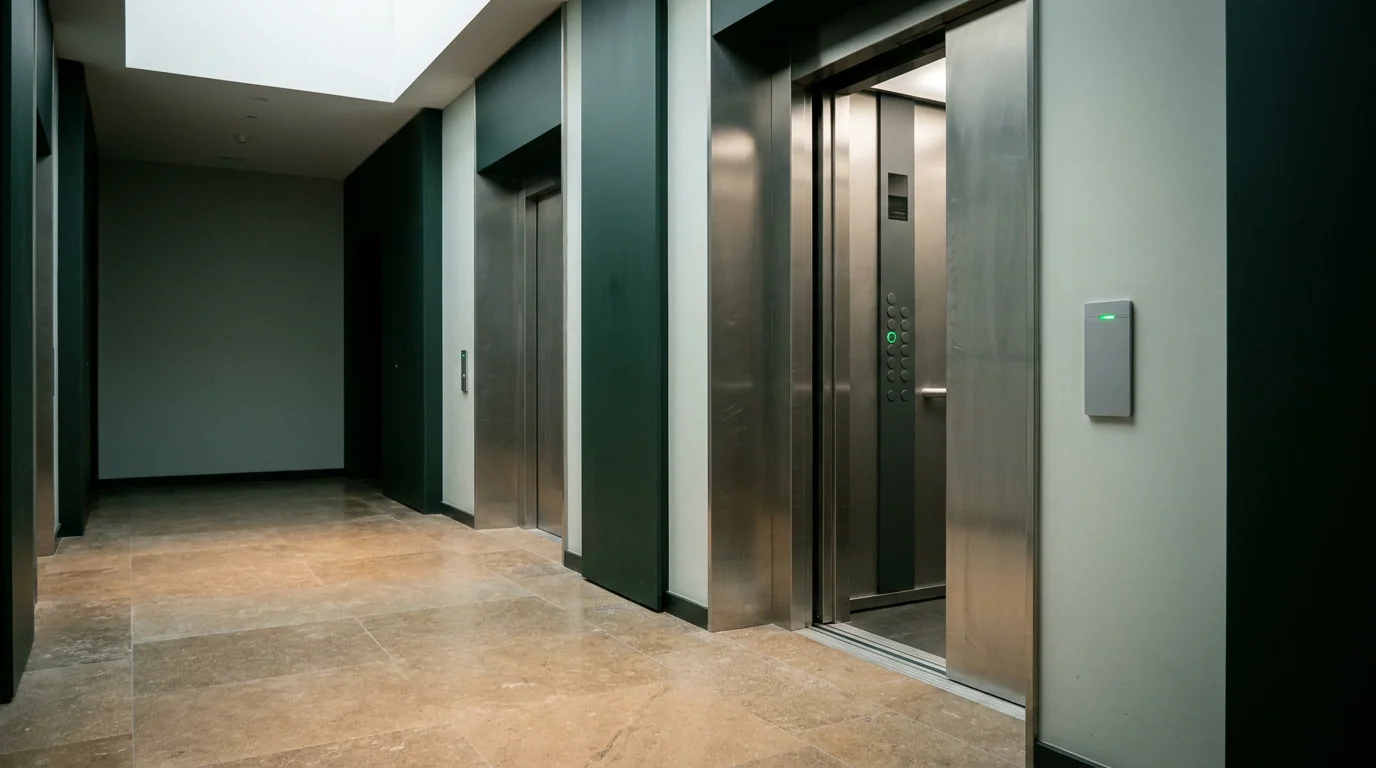
It is 22:40 and a guest walks into the lobby of a two-hundred-room hotel. She checked in from her phone an hour earlier, during the taxi ride. She crosses the lobby, presents her phone at the elevator and steps in. Floor 14 lights up. Nothing else does. She presses it, rides up, and her door opens for her the same way. Total time in the lobby: forty seconds. Number of people she spoke to: none.
That scene is the whole product. This post is about what happened underneath it.
The chain
When the guest presents her credential at the elevator, the Lift Controller does not know her, does not know her room and does not know what a reservation is. It asks. The request goes to Veripass, and Veripass resolves a chain that the hotel defined once and never has to think about again:
identity → hotel → reservation → room → permitted floors → validity
The credential maps to an identity. The identity is a guest of this property. The guest has an active reservation. The reservation is assigned to room 1407. Room 1407 lives on floor 14, and the hotel’s policy adds the lobby, the restaurant on the mezzanine and the gym on floor 3. The reservation is valid from today at 15:00 until Thursday at 12:00. Right now is inside that window.
The answer that comes back to the elevator is not a person or a room. It is a short list of floors and an expiry. The Lift Controller enables exactly those floors, and only until the elevator has served the request. The next passenger starts from zero.
The elevator you already own
The hotel in this scenario did not replace its elevators, and it did not need to.
Lift Controller belongs to the Hivora Control family, which exists so software can command equipment already in service. It works with the elevator the hotel already owns: the cabin, the buttons and the machinery stay as they are, and the controller adds a single capability on top, which is that a floor request must be authorized before it is accepted. When the network is unavailable, the controller keeps its last safe state and, through Hivora Edge, the property keeps resolving reservations locally until the connection returns.
The upgrade is measured in hours per elevator, not weeks of construction: bring the equipment into the system, do not throw it away.
What the guest experiences
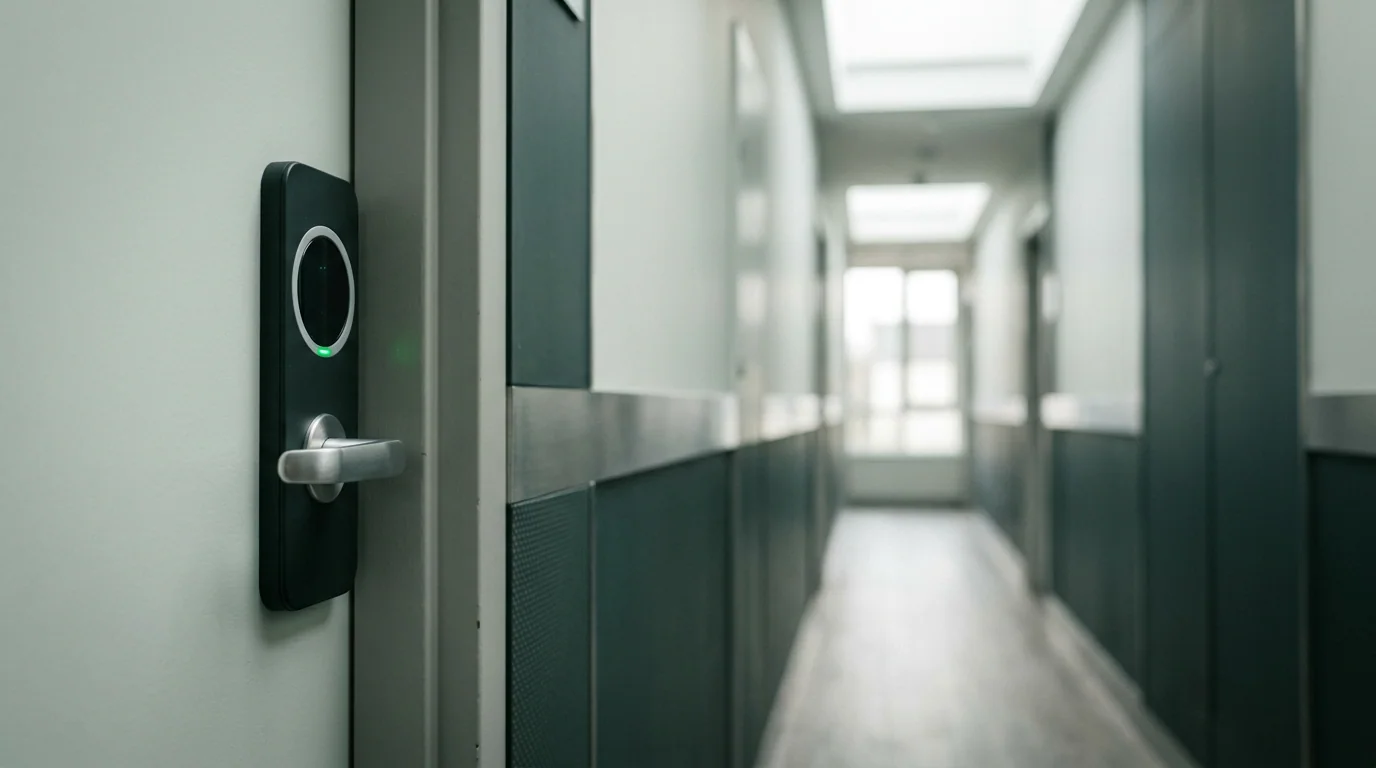
From the guest’s side, there is very little to explain, and that is the point. Her phone is her room key, her elevator pass and her gym pass. She never learns which floors she cannot reach, because she never sees them offered. If she extends her stay by a night at the front desk, the elevator and her door both know about it before she gets back to the lobby. If she loses her phone, she asks for a replacement credential and the old one stops working everywhere at the same instant.
What the operator sees
The operations team sees the same chain from the other side.
- Access policy is one document, not a hundred elevator settings. Which floors a guest, a housekeeper, a contractor or a manager may reach is decided once in Veripass and applied by every elevator and every door.
- Exceptions are handled in software. A group booking that takes floors 9 through 11, a VIP with lounge access, a maintenance window on floor 6: each is a change of policy, applied instantly, with no one visiting a machine room.
- Staff move by role, not by key ring. Housekeeping reaches its assigned floors during its shift. Engineering reaches the service floors. Neither reaches the other’s.
- Nothing outlives its reason. A checkout, the end of a shift or the end of a contract ends the permission automatically.
What Vectry records
Every request the elevator makes, every answer Veripass gives and every floor the Lift Controller enables becomes an event in Vectry. So does every door opened by HiveLock, every reservation change and every revocation.
That record is what turns a comfortable guest experience into an auditable operation. When a guest reports that someone was on her floor who should not have been, the answer is a query: which identities were authorized for floor 14 between these hours, which of them actually rode the elevator, and which doors opened. When a regulator or an insurer asks how access is controlled, the answer is the record itself, not a description of a procedure.
And because the events sit in the same record as payments, service requests and occupancy readings, Sommatic can read across them: how long guests wait for elevators at peak check-in, which floors see the most housekeeping traffic, where an unusual pattern of access attempts is forming.
From one elevator to a property
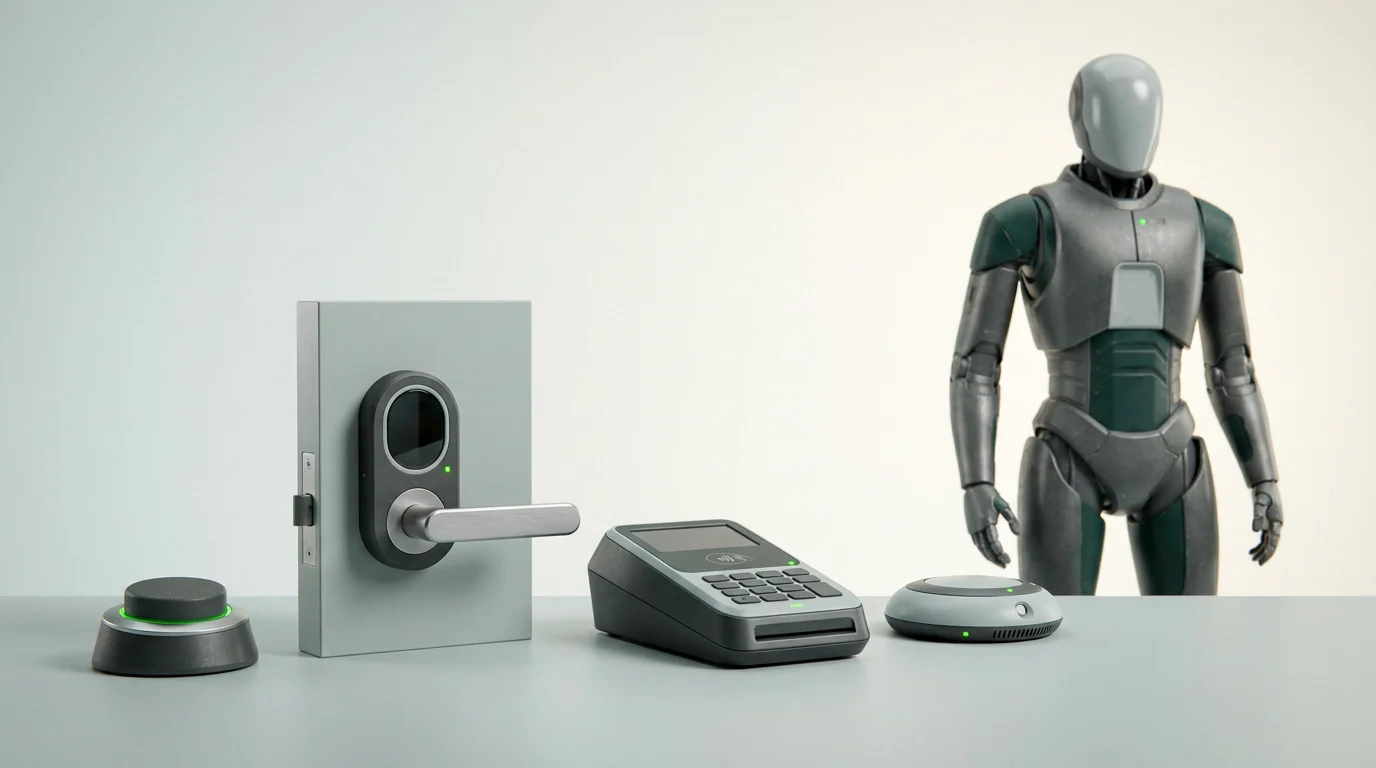
A property is dozens of doors, several elevators, a gym, a parking gate and a back-of-house full of staff and contractors. The chain is the same for all of them, because the decision is made once and executed everywhere.
If you operate hotels or buildings where access is still manufactured at a desk and carried in a pocket, request access. We work with a selected group of partners, and a hospitality pilot starts with one property and the elevators you already have.